
-300x300.webp)
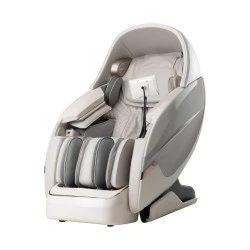
-250x250.webp "ASTARIJA MEGATRON - Professional massage chair")


-300x300.webp "ASTARIJA SOFTY - Massage glasses")
-250x250.webp "XSTO TR250T - Stair climber for wheelchair")
-250x250.webp "XSTO M4 - Power mobility chair / Mobility robot")
-250x250.webp "XSTO TR140C - Stair climbing wheelchair")
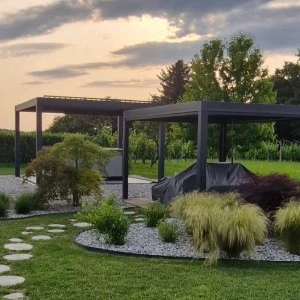
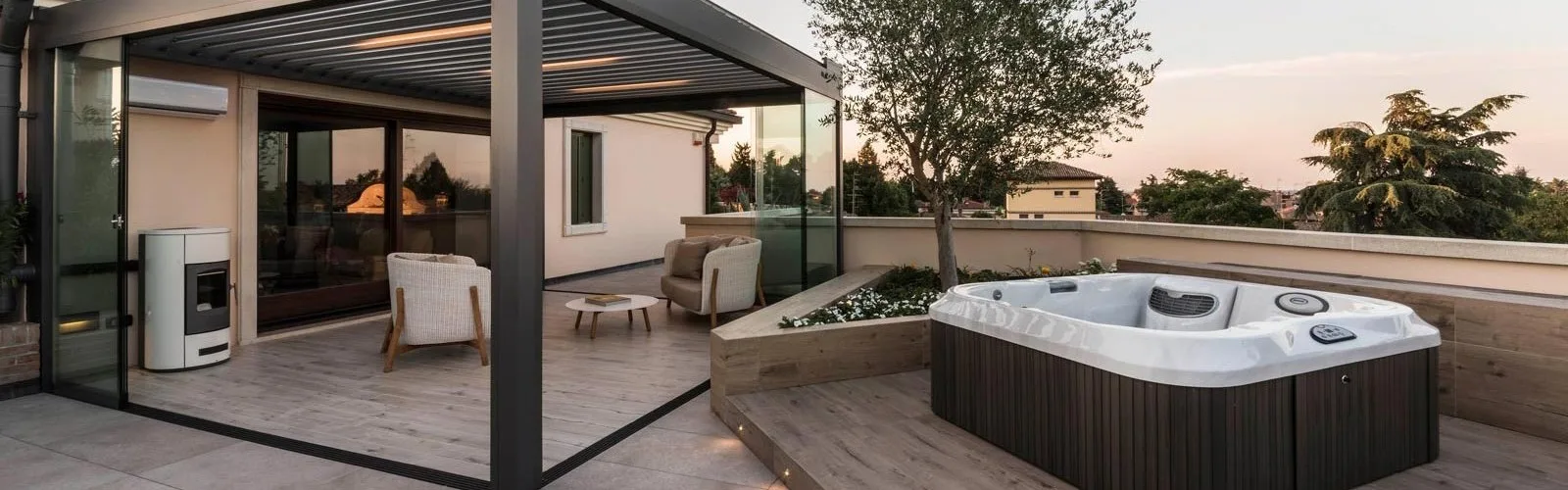
A pergola in your home can be a good place to relax and expand your outdoor living space. Also known as a garden shed or garden pergola, it is generally built to protect a patio from rain or excessive sun. This is possible thanks to ceiling vanes that turn at different angles at your command. These attractive, easy-to-use outdoor living structures can transform your backyard into a functional and comfortable space that you, your family, and visitors are sure to love.
These outdoor structures are equipped with fixed, remotely or manually controlled slats, which makes the bioclimatic pergola so unique. The rotating slats of the bioclimatic pergola can be tilted to adjust how much sunlight enters your pergola. It also means you'll be able to close them when it's raining to protect your space from getting wet, giving you full control over changing weather conditions.
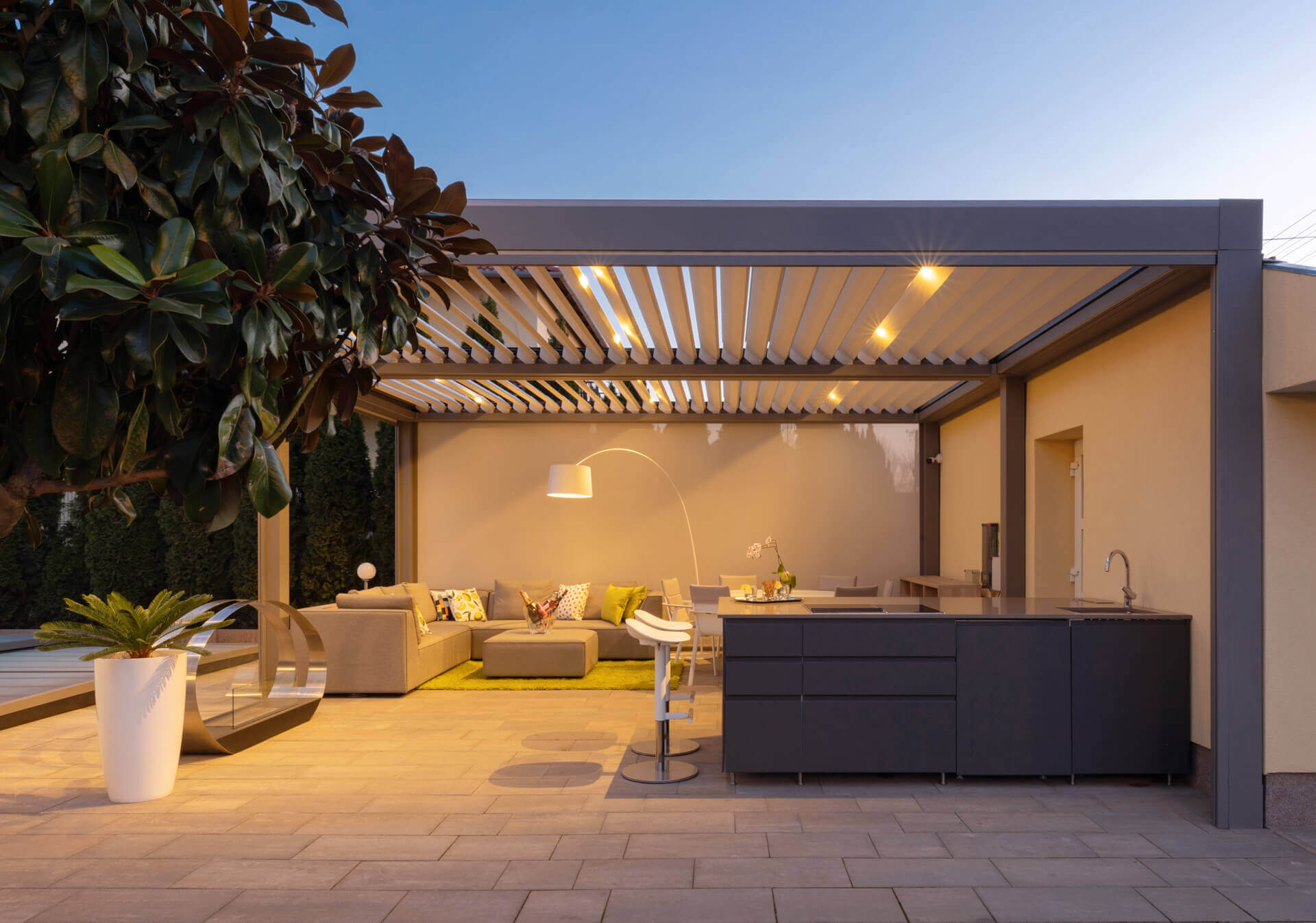
There are three types of pergolas installations
The self-supporting pergola is ideal for installation in your garden or by the pool if you have one. It is a self-contained and free-standing unit from your home that can be large or small depending on the size of space you want your self-supporting patio pergola to occupy.
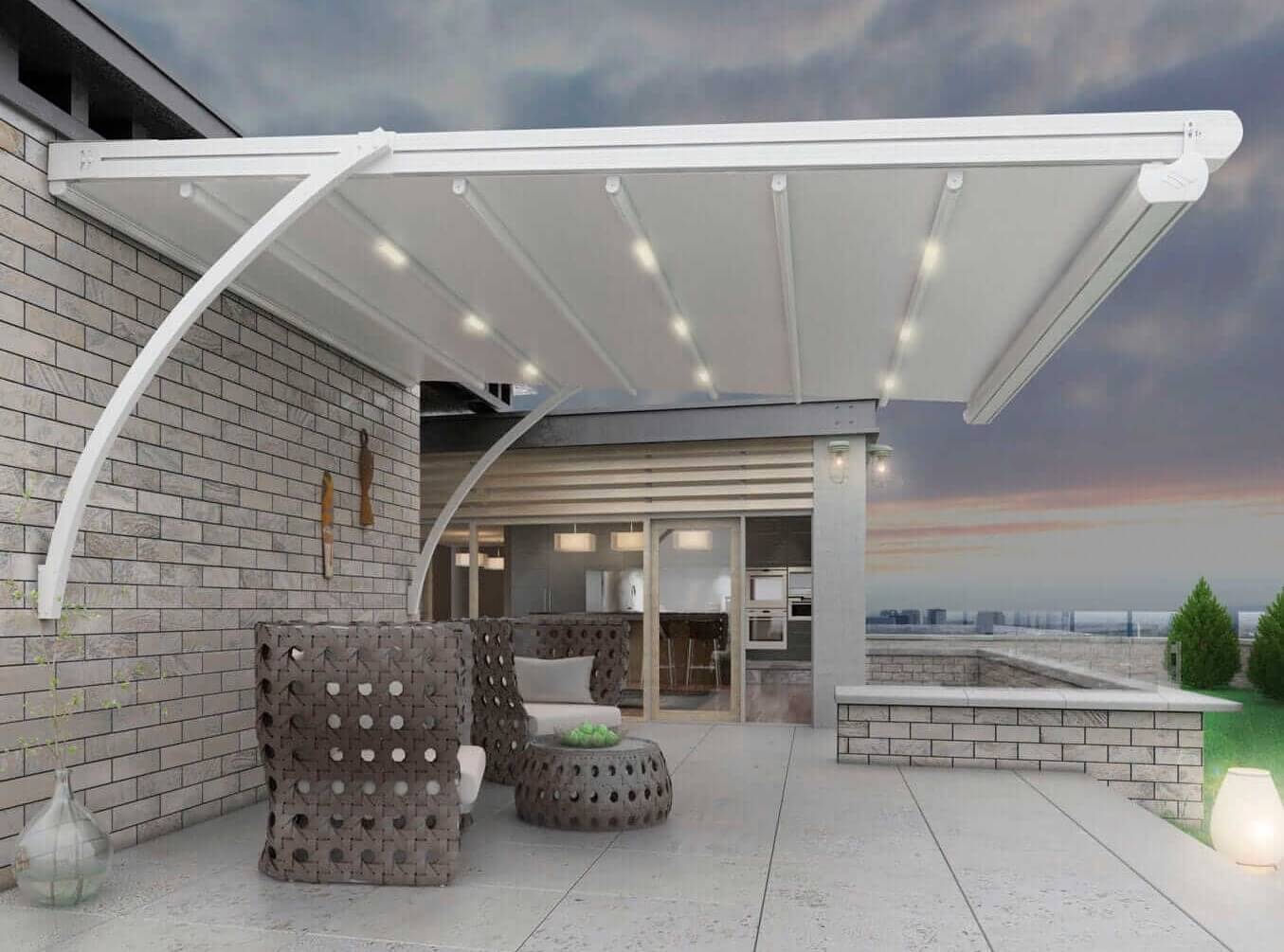
Wall mounting means that the pergola can be partially supported by the building into which the pergola is attached. the pergola can be attached to the inside corner of the building, which carries three corners, and the fourth corner carries a support column. However, only one side can be attached to the building, while the other side of the pergola is supported by two columns. A bioclimatic pergola is such an excellent extension of your home that complements your living space by extending it to the outdoors.
Hanging installation is when the pergola is attached to the wall in the same way as a wall installation, but without support posts connected to the ground. The entire weight of the pergola is therefore borne by the building.
Materials
Depending on the style of your home, be it modern, classic or traditional, the materials you choose for your pergola should complement the style and materials you have used in the exterior structure of your home. Materials that can be found both domestically and internationally for pergolas include metal, wood, plastic, stone, composite and glass.
Aluminum pergola
Wooden pergola
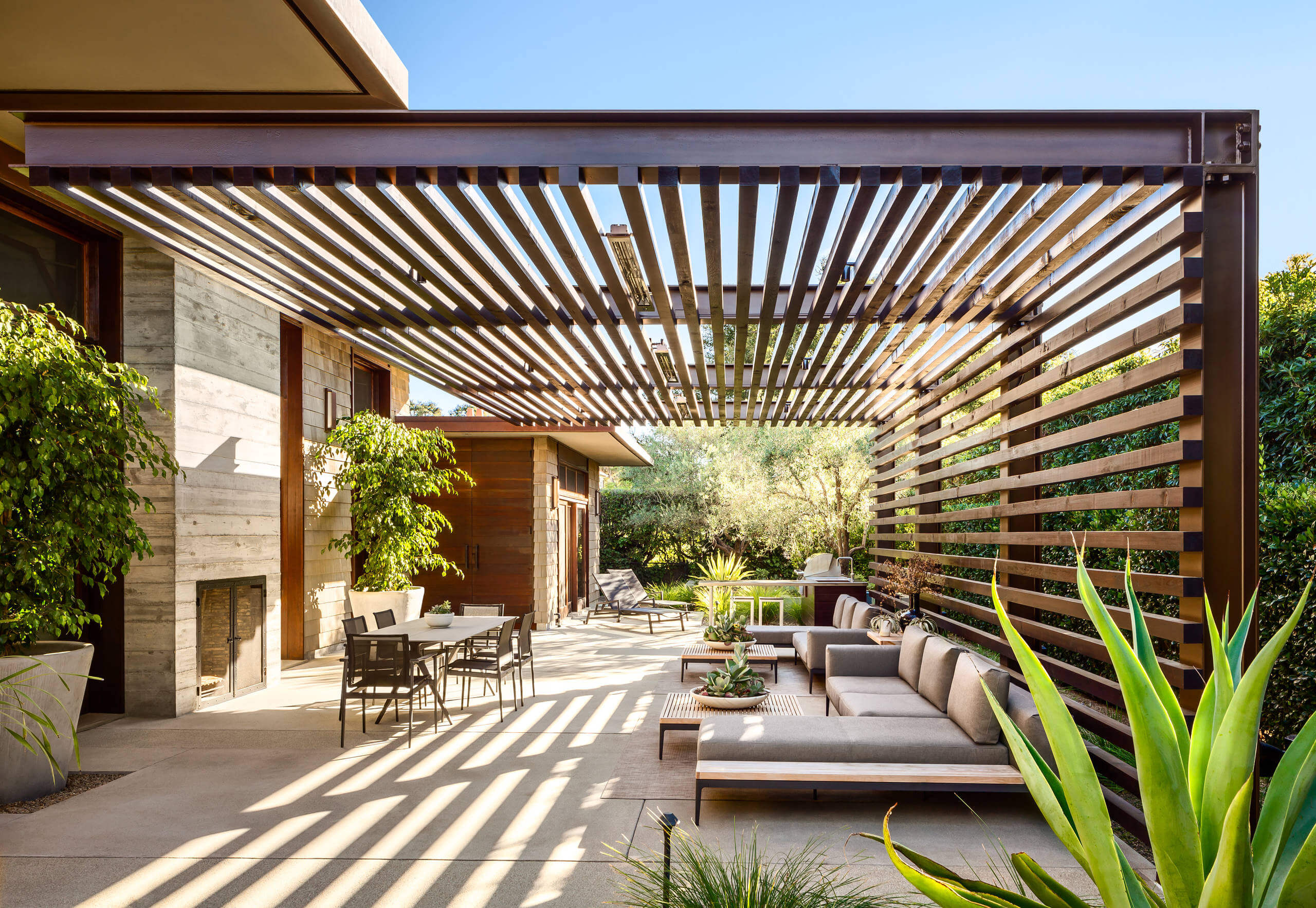
Wood is a material commonly used to build pergolas and the types of wood used for outdoor units are mahogany, cedar, redwood, oak and teak. These types of wood have natural oils that make them highly resistant to pests and warping due to extreme weather conditions. The natural look of the wood gives the room character, warmth and a rustic touch, but it is also easy to paint. The disadvantage of a wooden pergola is its price, as the above-mentioned types of wood can be expensive.
Plastic pergola
Plastic is a material commonly used for pergolas located near a water feature such as a swimming pool or fountain. The thick type of plastic is very resistant and can relieve you of many problems. Plastic pergolas are easy to maintain and clean; are relatively cheap and can be easily found in both domestic and foreign markets. Ecologically speaking, they are not the best to use, but if you choose recycled plastic as your pergola material, you can save on costs and help the environment at the same time by using recycled material that can last longer.
Stone pergola
If your home is built of stone, it can be ideal to have a stone pergola that complements the existing facade. It is usually a wooden structure dressed in decorative stone. This type of material provides a lot of resistance and is very durable with low maintenance.
Composite pergolas
This type of material consists of a combination of wood and plastic; it is highly resistant to atmospheric factors and is practically maintenance-free. It is also considered an ecological material and is 100% recyclable.
What aspects should be considered when choosing a pergola?
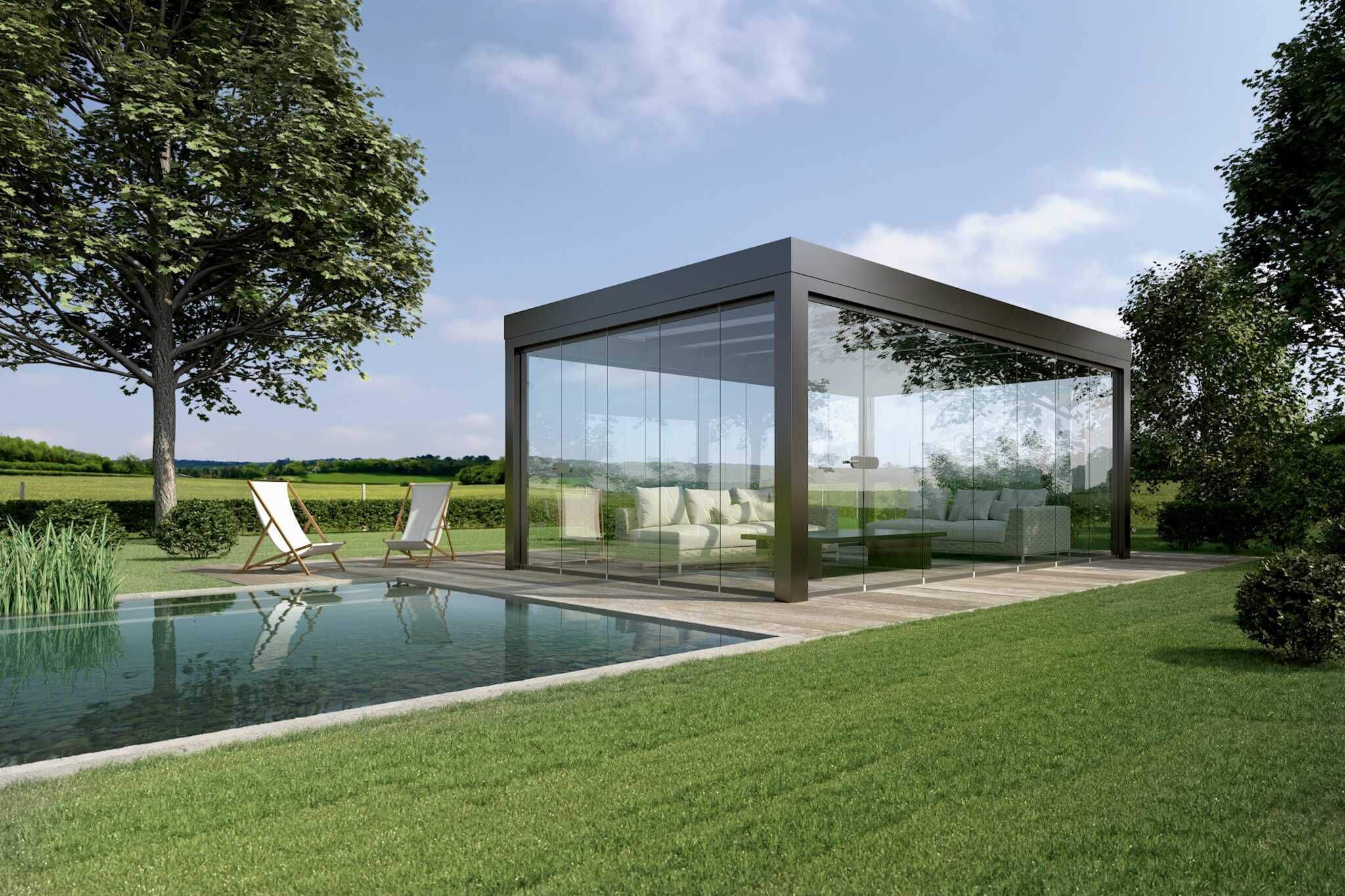
Other aspects to consider when choosing your pergola include: the installation of the canopy as a canopy roof and the construction and operation of the fabric, glass, wood or polycarbonate canopy that can slide with mobile slats and/or shades. Pergolas without a canopy often have hanging plants and act as an additional decorative structure. However, there are other aspects to consider, such as whether you want your pergola to meet the ecological standards of our time; some pergolas are now made from materials that can be recycled and are durable. You can also choose from a variety of specifications that include bioclimatic, modular, pull-out, motorized functions and a function with or without sun protection.
How to choose the size of your pergola?
When determining the size of your bioclimatic pergola, you need to look at the size of your home and other structures in the area. For example, a large pergola attached to the wall of a small house can cause disproportion. The space that your pergola will take up at the house can be as wide as you want, as long as you choose the right solid materials that will make up the posts and beams to support the overhanging roof.
You can find all bioclimatic pergolas on our website Trgovina Jana.
-435x300h.webp "Apartment with a Jacuzzi as an Advantage for Guests and Property Owners")
-435x300h.webp "Sauna for Two as a Perfect Wellness Experience for Couples")
-435x300h.webp "The Most Common Mistakes When Buying a Hot Tub and How to Avoid Them")
Leave a Comment