

-300x300.webp)
-250x250.webp "ASTARIJA MEGATRON - Professional massage chair")
-250x250.webp "XSTO TR250T - Stair climber for wheelchair")
-250x250.webp "XSTO M4 - Power mobility chair / Mobility robot")
-250x250.webp "XSTO TR140C - Stair climbing wheelchair")






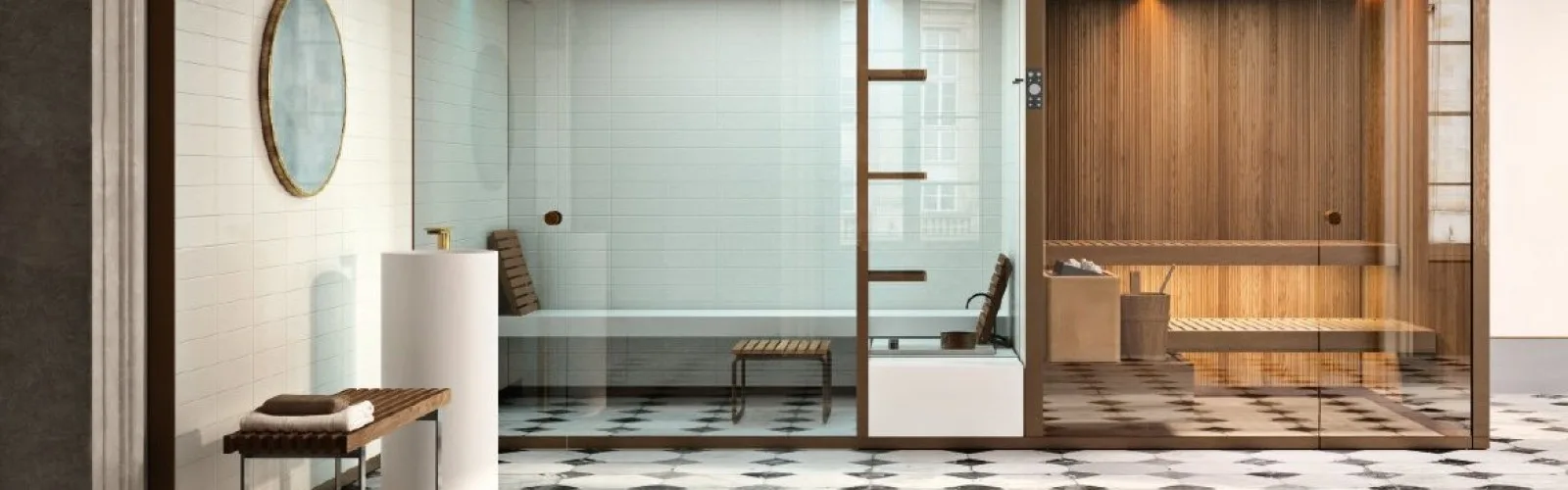
What is a steam sauna?
If you are ready to try something new and rejuvenating, you can add a steam sauna or it is also called a Turkish sauna by another name. Turkish or steam saunas or even wet saunas are more expensive than Finnish and infrared saunas, their installation in a house or apartment is also more demanding, but they enable an authentic sauna experience due to steam. Basically, steam saunas are not as hot as other saunas and are much more humid. Typically, steam rooms are heated to 50 degrees and have almost 100 percent humidity.
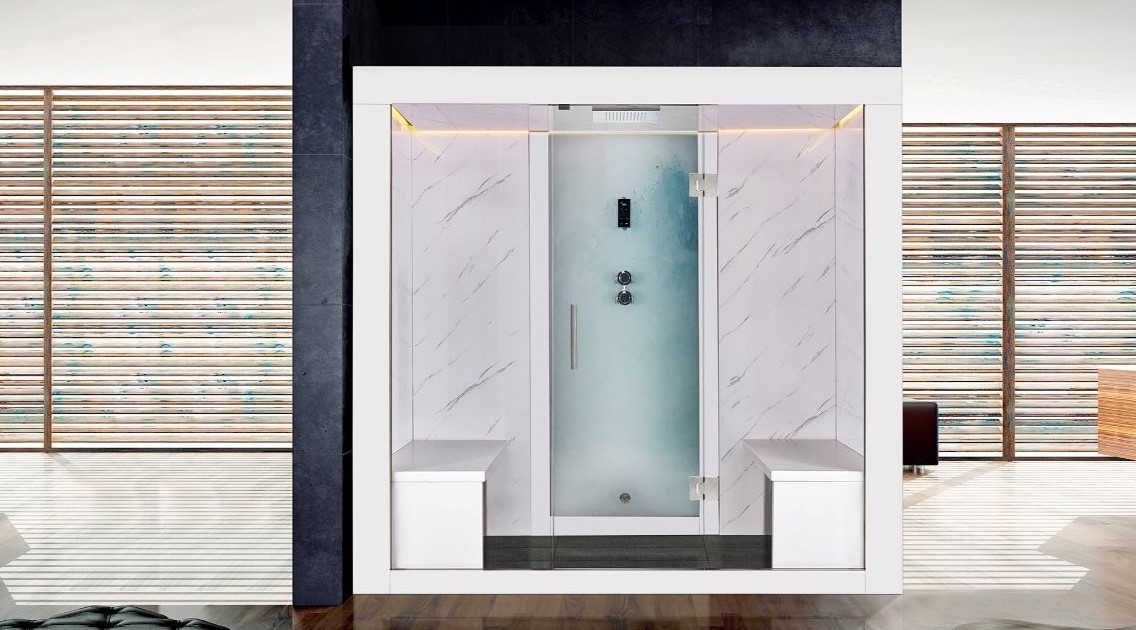
For this reason, the steam Turkish sauna is very effective in cleansing the skin, as the steam opens the pores and accelerates the cleansing of the skin in a natural way. This sauna will also have a beneficial effect on your respiratory tract and will calm our cold or cough, as it cleans and moisturizes the airways. A Turkish sauna will detoxify your body including cholesterol, heavy metals, salt, alcohol and even nicotine and boost your metabolism. Among other things, it also relieves stress thanks to the soothing and all-round relaxing effect of hot steam on body and mind. Leave your stress, toxins and tension in this sauna while you leave feeling completely renewed.
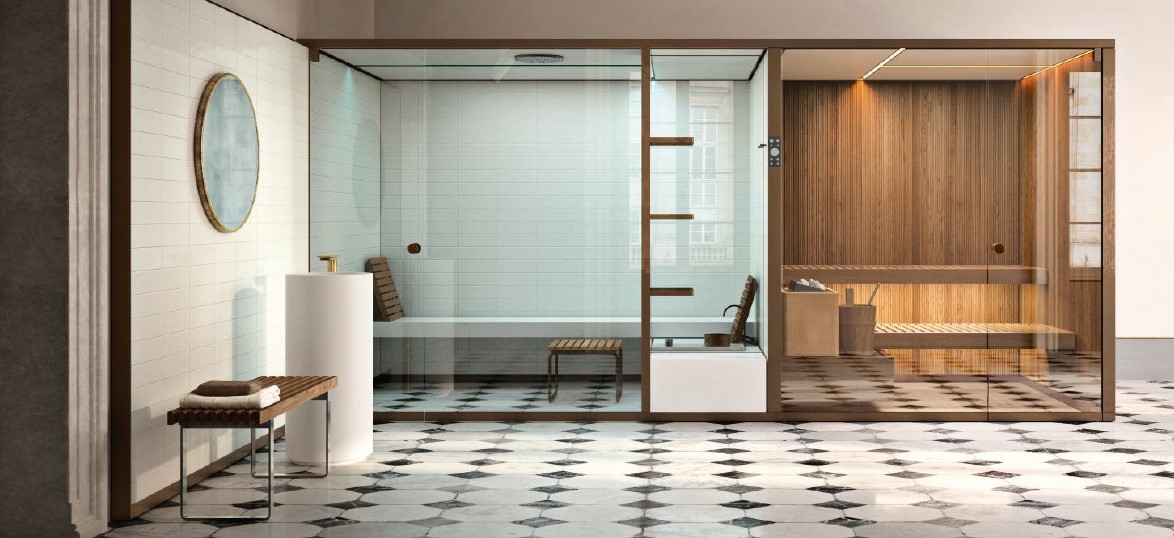
But while steam saunas aren't technically that hot, you'll probably feel the heat more in steam rooms than in other saunas because of the humidity. A thin moist layer accumulates on the skin, which effectively prevents the evaporation of body moisture, which perfectly strengthens circulation and blood vessels.
While other saunas produce dry heat, usually from hot stones or a closed furnace, steam rooms are heated by a generator filled with boiling water that pumps steam into an enclosed space so that moisture is in the air when people sit in it.
You can buy a steam sauna as a ready-made product that you just need to assemble at home, or we can assemble it for you. Home saunas are made of plastics.
The origin of Turkish saunas
The first signs of Turkish baths date back to the 14th century, during the Ottoman Empire's great rule over much of the Middle East and Europe. Turkish baths were inspired by Roman bathing customs and were a source of both community gathering and hygiene maintenance. Since indoor plumbing did not exist for several hundred years, public baths were designed as a focal point in city centers, accessible to all.
For even more useful information, you can also read other articles such as How to choose a sauna for yourself? or the effect of the sauna on health? If you are interested in other types of saunas, the articles What is a Finnish sauna? or What is an infrared sauna?
You can find all saunas on our website Trgovina Jana.

-435x300h.webp "Apartment with a Jacuzzi as an Advantage for Guests and Property Owners")
-435x300h.webp "Sauna for Two as a Perfect Wellness Experience for Couples")
-435x300h.webp "The Most Common Mistakes When Buying a Hot Tub and How to Avoid Them")
Leave a Comment